
Industrial Training Services for Crane & Rigging
Training & Consulting Services
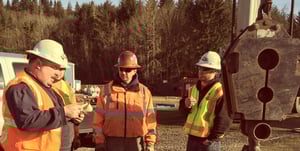
Our flexible Industrial Training and Consulting services are tailored to fit your schedule and location. We deliver hands-on instruction, innovative virtual reality simulations, and a vast library of industry-leading courses. Count on ITI to empower your team with proven training, expert guidance, and the resources required to drive safety, efficiency, and success in every project.
State-of-the-art training facilities provide hands-on learning opportunities where our students can test and expand their working knowledge under the careful guidance of knowledgeable instructors.
Explore Training Centers VR CRANE SIMULATIONS![]()
Leverage technology to supercharge your lift handling training, assessments, and professional development with ITI Simulations.
Dive into The Crane Simulator CLIENT SITE TRAININGAn ITI Instructor comes to your location, to train your team, on your equipment. The ITI Technical Team can even create custom programs tailored to fit your specific training needs.
Request a Quote Online Training![]()

ITI's enterprise digital training suite enables your team to train on-demand with assessment and learning path reporting. Explore our content and request a demo to learn how ITI's online libraries can assist with your team's unique training goals.
Explore Course Libraries VR ASSESSMENTS & CERTIFICATION![]()

Learners experience a working construction site while identifying hazards across 10 risk domains, including Falls, Struck by Object, Electrocutions, and Caught-in/between, the “fatal four” dubbed by OSHA.
Get Started Here
SCHEDULE A MEETING WITH ONE OF OUR EXPERTS
Submit a question to an ITI Training Solutions Advisor, or explore the ITI Help Center!ITI Training FAQs
1. What types of crane and rigging training courses does ITI offer?
Industrial Training International offers a range of crane and rigging training programs designed to support workers at every stage of their careers.
Training options include:
-
Mobile crane operator training.
-
Qualified rigger and signal person training.
-
Lift director and lift planning courses.
-
Crane inspection training.
-
Rigging engineering and advanced lifting programs.
Courses are available through training centers, onsite client training, and online learning depending on the program and team needs.
2. Can crane and rigging training be delivered at our company’s location?
Yes. Many organizations choose client-site training so their teams can learn using the equipment and lifting scenarios they encounter on the job.
Onsite training programs can include:
-
Mobile crane operator training.
-
Qualified rigger and signal person courses.
-
Lift director and lift planning training.
-
Customized workforce development programs.
This format allows companies to train multiple employees at once while minimizing travel and operational downtime.
3. How do ITI training center courses work?
Training center courses provide structured classroom instruction combined with hands-on practice. Participants work directly with cranes, rigging equipment, and real lift scenarios under the guidance of experienced instructors.
Training centers allow learners to:
-
Practice equipment setup and rigging techniques.
-
Develop safe lifting habits in controlled environments.
-
Learn alongside other professionals from similar industries.
-
Prepare for certification exams where applicable.
Course schedules vary by location and program availability.
4. Who should take crane and rigging training courses?
Crane and rigging training is valuable for professionals responsible for lifting operations or equipment oversight.
Typical participants include:
-
Crane operators.
-
Riggers and signal persons.
-
Lift directors and supervisors.
-
Safety managers.
-
Project managers coordinating lifting operations.
Training helps teams build consistent procedures, reduce risk, and improve coordination during lifting activities.
5. How do I choose the right crane or rigging course for my team?
Selecting the right training program depends on several factors, including employee roles, experience levels, and the types of lifts performed on the job.
Organizations often consider:
-
Whether workers need entry-level or advanced training.
-
The type of equipment used in daily operations.
-
Certification requirements for operators or riggers.
-
Whether training should be delivered onsite or at a training center.
Training advisors can help organizations identify the right programs based on their operational needs and workforce goals.
